
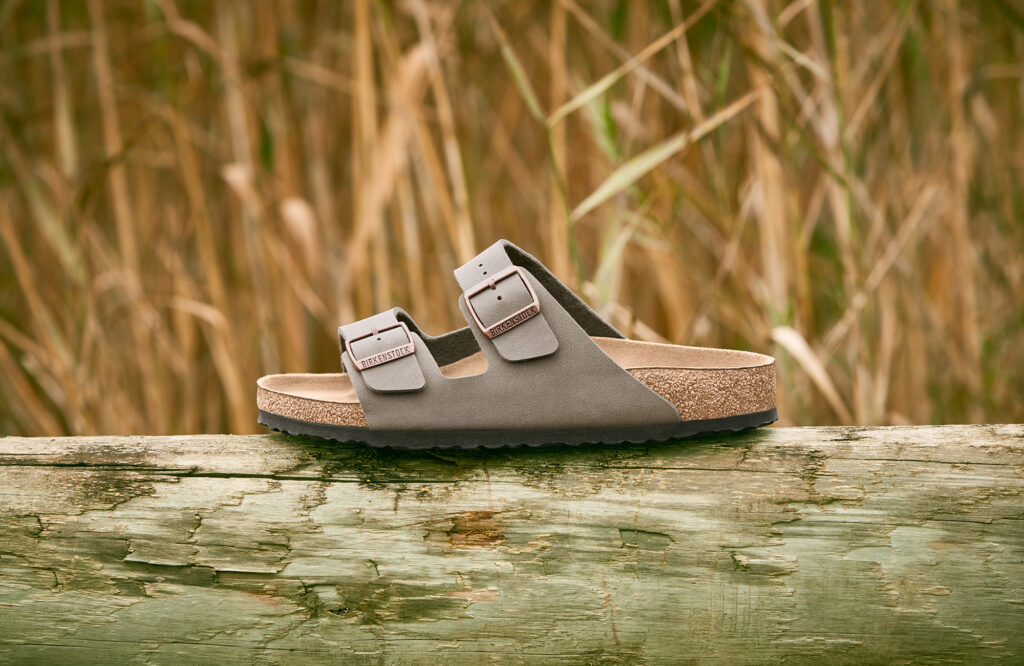
On February 20, 2025, Germany's Federal Court of Justice delivered a landmark ruling against Birkenstock, rejecting the company’s attempt to secure copyright protection for its iconic sandals. The decision has broad implications for design protection and underscores the limitations of copyright in safeguarding functional product designs.
The Case: Birkenstock’s Legal Battle
Birkenstock, a globally recognized German footwear brand established in 1774, filed lawsuits against competitors, including German retailers Tchibo and shoe.com, as well as Danish retailer Bestseller. The company argued that its signature sandals should be classified as "works of applied art," which would afford them extended copyright protection under German law. While registered design rights in Germany last for up to 25 years, copyright protection extends for 70 years beyond the creator’s death. Birkenstock sought to leverage this extended duration to strengthen its legal standing against imitations.
Court’s Decision: Why Copyright Does Not Apply
The Federal Court of Justice ultimately ruled that Birkenstock’s designs do not qualify as "works of applied art." According to the court, copyright protection requires a design to exhibit a high level of artistic creativity beyond its functional purpose. Judge Thomas Koch emphasized that the shape and structure of Birkenstock’s sandals are primarily dictated by ergonomic and technical considerations, rather than artistic expression.
This decision aligns with previous rulings in Germany that distinguish between creative works deserving of copyright and functional product designs that are better suited for protection under trademark and design rights.
Implications for Birkenstock and the Industry
This ruling presents a significant challenge for Birkenstock in its ongoing efforts to combat counterfeit products and design imitations. Without copyright protection, the company must rely on alternative intellectual property strategies, such as:
Trademark Protection: Birkenstock can continue to enforce its brand name, logos, and distinctive trade dress, which remain protected under trademark law.
Design Rights: While limited to 25 years, design rights offer a valuable tool to prevent direct copies of the brand’s sandal designs.
Unfair Competition Law: In some cases, Birkenstock may challenge competitors based on unfair competition principles, arguing that certain replicas mislead consumers.
For businesses in the fashion and design industries, this case highlights the importance of a multi-layered approach to IP protection. Copyright law alone is not a failsafe strategy for product designs, particularly when functionality plays a central role.
A Warning Tale for Brands
The Birkenstock ruling reinforces the necessity for brands to be proactive in securing comprehensive IP protection strategies. Relying solely on copyright for functional designs may not be sufficient, particularly in jurisdictions like Germany where strict criteria apply.
Companies seeking to safeguard their designs should consider:
Early Registration of Design and Trademark Rights to establish clear legal protection.
Monitoring and Enforcement Strategies to prevent counterfeiters from exploiting brand equity.
International IP Portfolio Management to ensure adequate protection across key markets.
As the legal landscape evolves, businesses must remain vigilant in navigating IP complexities to protect their innovations effectively. At Allasya, we specialize in helping brands develop robust strategies that balance legal compliance with commercial success.
For more insights into IP protection and brand strategy, reach out to our team at Allasya Law & IP.