
by Hansen Tao
The rapid advancement of artificial intelligence (AI) has spurred innovation and competition, but it has also triggered a surge in malicious trademark registrations, as opportunistic entities attempt to exploit the names of prominent AI models for financial gain.
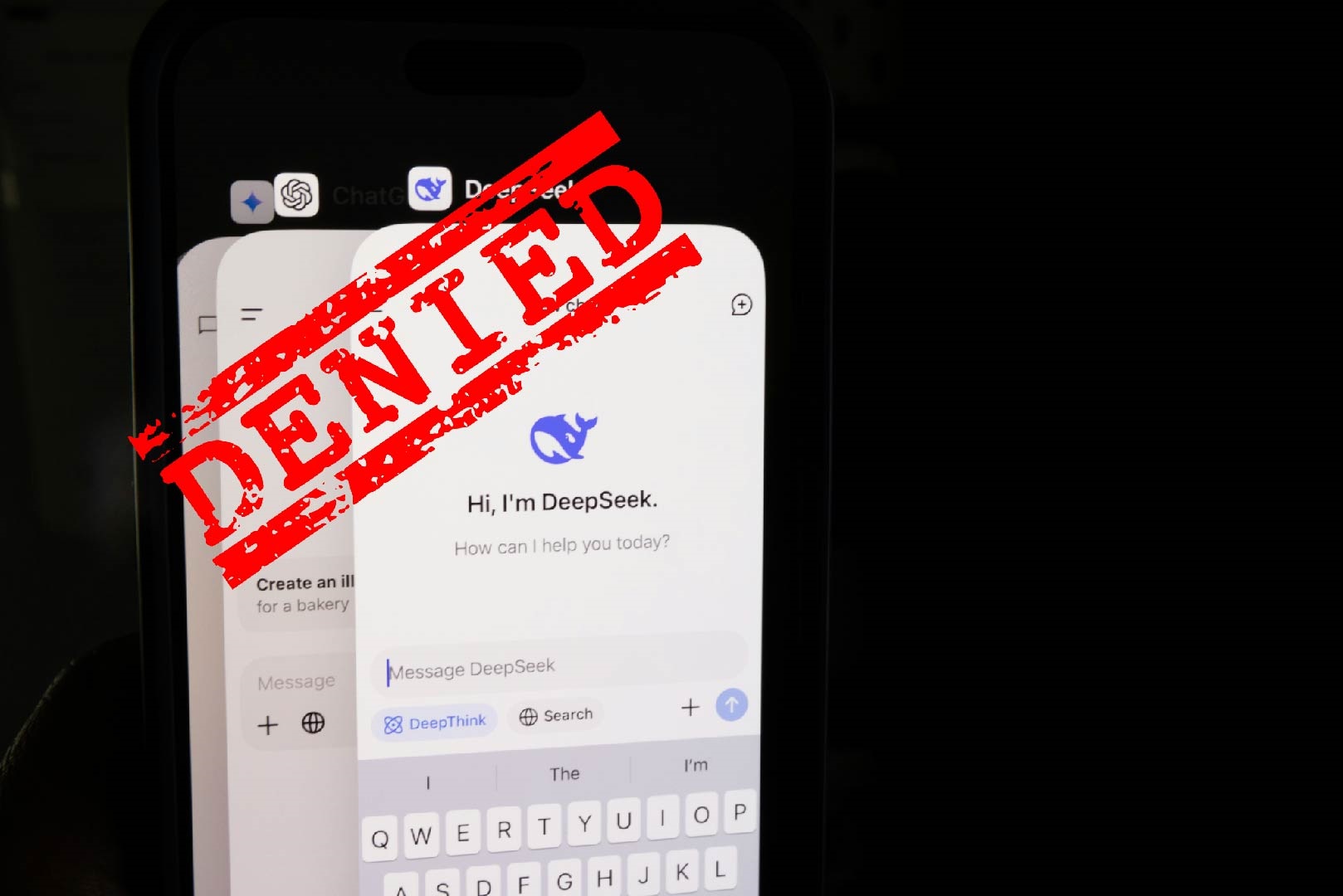
Recent decisions by the China National Intellectual Property Administration (CNIPA) to reject 63 trademark applications related to "DEEPSEEK" underscore China's firm stance against bad-faith trademark filings and highlight the evolving landscape of AI-related intellectual property protection.
The "DEEPSEEK" Trademark Dispute
DeepSeek, an AI model developed by Hangzhou DeepSeek Artificial Intelligence Fundamental Technology Research Co., Ltd., has gained significant global attention. Prompted by its rising prominence, several companies and individuals sought to register the "DEEPSEEK" name or related logos as trademarks, likely in an attempt to capitalize on the model's success. CNIPA identified these applications as clear attempts to improperly benefit from a trending name and rejected them accordingly.
Notably, investigations revealed collaboration between trademark agencies and applicants in processing these malicious filings, with CNIPA determining that such agents violated Article 19 of China's Trademark Law by offering unlawful registration services. This highlights the ongoing issue of certain agencies enabling trademark squatting for profit, a practice that remains a concern in China's IP landscape.
Legal Implications of CNIPA's Decision
The rejection of these trademark applications reinforces key principles in China's trademark law:
Protection Against Bad-Faith Registrations: Under China’s Trademark Law (Article 4 and Article 44), trademarks that are registered without intent to use, or that exploit the good reputation of existing names, can be invalidated or rejected.
Good-Faith Principle: The decision aligns with CNIPA’s broader efforts to uphold fair competition and prevent trademark hoarding, ensuring that only rightful owners can secure protections.
Strengthening AI-Related IP Protections: With AI developments becoming increasingly valuable, ensuring that major AI brands can protect their trademarks is critical for fostering long-term innovation and investment in the field.
China’s Growing Efforts Against Trademark Squatting
This case is part of a larger trend in China’s trademark enforcement. In recent years, CNIPA has taken aggressive measures to reject and invalidate malicious trademark applications, particularly those targeting names and brands with a great reputation. Key precedents include:
The rejection of bad-faith applications for global brands such as Tesla, Facebook, and LinkedIn.
Crackdowns on individuals and entities who attempt to register trademarks for trending terms, such as those related to new technologies, popular culture, and viral internet phenomena.
Revised guidelines that increase penalties for trademark hoarders, making it harder for them to profit from squatting activities.
Implications for Businesses and AI Developers
For businesses and technology companies, the "DEEPSEEK" case serves as a critical reminder of the importance of proactive IP protection strategies. Key takeaways include:
Early Trademark Registration: Companies developing AI models and other technologies should register their trademarks early, both in China and internationally, to prevent malicious filings.
Active Monitoring and Enforcement: Businesses should monitor trademark databases for fraudulent applications and take swift legal action when necessary.
Working with Reputable IP Professionals: Partnering with experienced IP law firms and trademark agencies can help businesses navigate complex registration and enforcement challenges.
The Future of AI and Trademark Law
The "DEEPSEEK" case is a clear indicator that governments and regulatory bodies are taking AI-related IP seriously, and companies must do the same. By implementing proactive trademark registration and enforcement strategies, businesses can safeguard their brands and maintain their competitive edge in the rapidly evolving AI landscape.
As China continues to refine its approach to trademark enforcement, companies operating in the region should remain vigilant and ensure their IP rights are properly secured. The rejection of "DEEPSEEK"-related trademarks signals that CNIPA is committed to fostering a fair and legally sound business environment, ultimately benefiting both innovators and consumers.
For expert guidance on trademark registration and enforcement strategies, contact Allasya Law & IP today.
Original announcement by CNIPA available here