
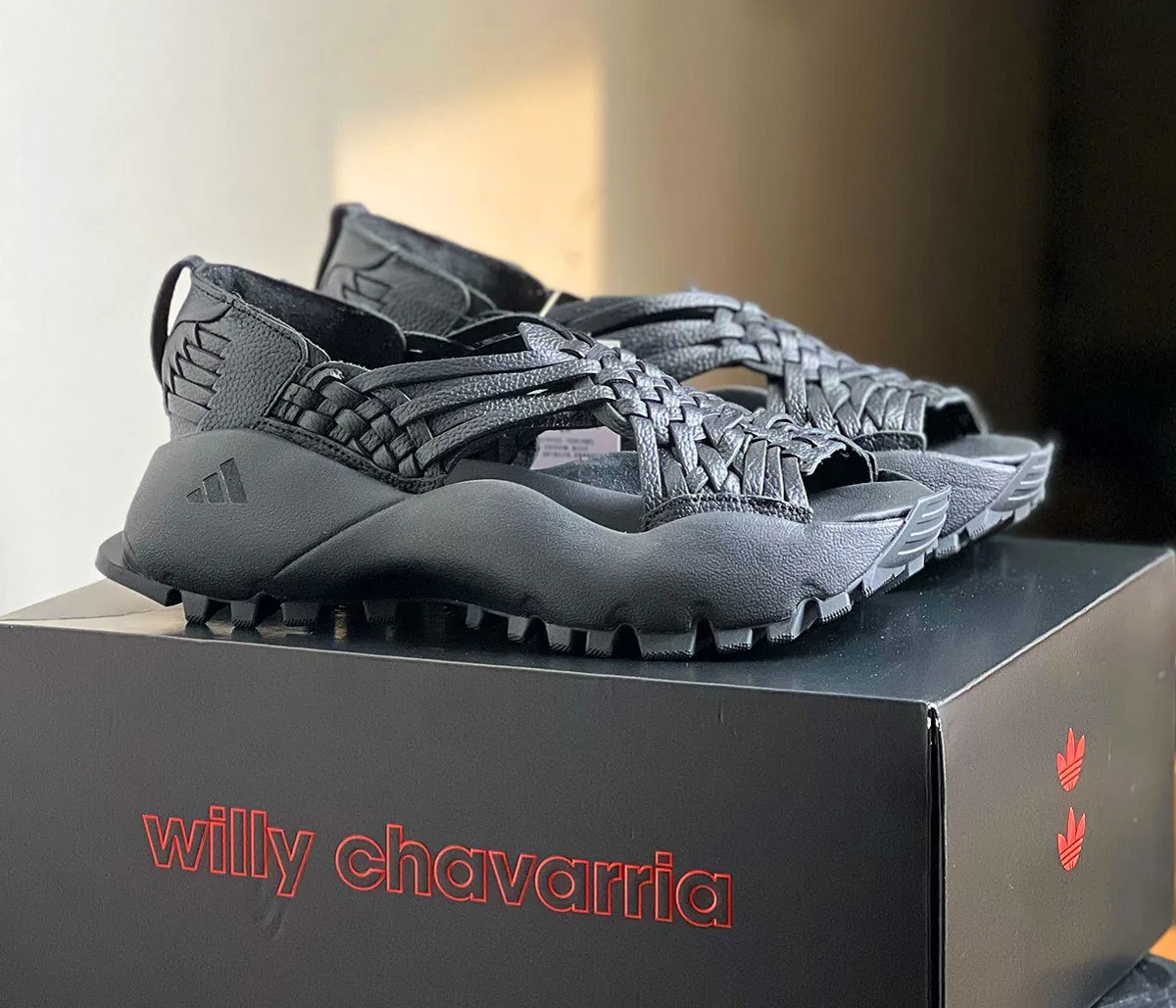
This summer, Adidas and designer Willy Chavarria have issued public apologies following strong criticism over their newly launched “Oaxaca Slip-On” sandal, which closely mirrored the traditional huarache sandals crafted by the Zapotec community.
The “Oaxaca Slip-On,” designed by Chavarria, featured braided leather straps, an unmistakable nod to traditional huaraches, set on a chunky sneaker sole. Mexican artisans and authorities denounced the design as a near copy of their artisanal work, made without permission or collaboration.
The case had nationwide repercussions: Mexican President Claudia Sheinbaum publicly condemned the design and signaled governmental intent to strengthen legal protections for indigenous cultural heritage, citing this incident as a wake-up call against the exploitation of indigenous designs by major brands.
This incident sets a powerful precedent: cultural inspiration must be paired with meaningful collaboration. Even high-profile brands like Adidas are no longer immune from scrutiny when their designs borrow without consent from indigenous traditions.
Cultural Appropriation and the Law: Why the “Oaxaca Slip-On” Case Matters
Apart from the cultural flashpoint, the uproar over Adidas’s “Oaxaca Slip-On” sandal is legally significant. It underscores how intellectual property (IP) law, cultural heritage protection, and corporate accountability intersect in a globalized fashion industry.
1. The Legal Gap: Traditional Knowledge and IP Law
Traditional designs like Oaxaca’s huaraches often fall outside conventional IP frameworks:
- No registered trademark: Local artisans rarely hold formal registrations covering traditional motifs.
- No industrial design rights: Craft traditions evolve communally, not under a single designer’s name.
- Copyright’s limits: Many cultural patterns predate modern law, making originality requirements difficult to meet.
This leaves indigenous communities vulnerable. Brands can imitate their work without direct legal infringement, unless broader protections (like unfair competition or geographical indications) apply.
2. Mexico’s Push for Stronger Protection
President Claudia Sheinbaum’s comment reflects a policy shift:
- Mexico has already enacted rules under the Federal Law for the Protection of the Cultural Heritage of Indigenous and Afro-Mexican Peoples and Communities (2022).
- These rules allow communities to authorize or deny use of their cultural expressions.
- The Adidas incident could accelerate litigation or regulatory action under these laws, testing their enforceability.
3. International Precedents and Pressure
Globally, cultural appropriation disputes are increasingly shaping soft law and corporate conduct:
- EU: Geographic Indications (GIs) protect Champagne, Roquefort, etc. Could similar GI-like schemes apply to indigenous crafts?
- Peru & Panama: Have laws recognizing traditional textiles and designs as protected cultural heritage.
- UNESCO & WIPO: Longstanding debates on creating international treaties to safeguard traditional cultural expressions (TCEs).
The Adidas case fuels pressure for binding international norms on traditional knowledge.
4. Liability Risks for Brands
Even absent strict IP rights, brands face:
- Consumer law risk: Misleading marketing (e.g., calling it “Oaxaca” without origin ties).
- Contractual exposure: If future collaborations aren’t properly structured, claims of exploitation could follow.
- Reputational harm: Public backlash can be swifter and harsher than court judgments.
The apology tour in Oaxaca shows Adidas recognized that legal risk = reputational risk, especially in culturally sensitive contexts.
5. The Takeaway: From Inspiration to Collaboration
This case highlights a shift in global business norms:
- Cultural inspiration is no longer defensible without prior consultation and benefit-sharing.
- Legal systems are catching up, but even now, soft law (corporate ethics, public accountability) is acting as a powerful regulator.
- For brands, the best strategy is preemptive collaboration: transforming what might be appropriation into co-created, co-branded cultural partnerships.
The “Oaxaca Slip-On” uproar is not just about one shoe. It’s a wake-up call that indigenous cultural heritage is gaining legal recognition and enforceable protection. For companies, respecting this shift is ethical and legally prudent.