
By Joy Dong, Fredrick Xie, Laura Batzella
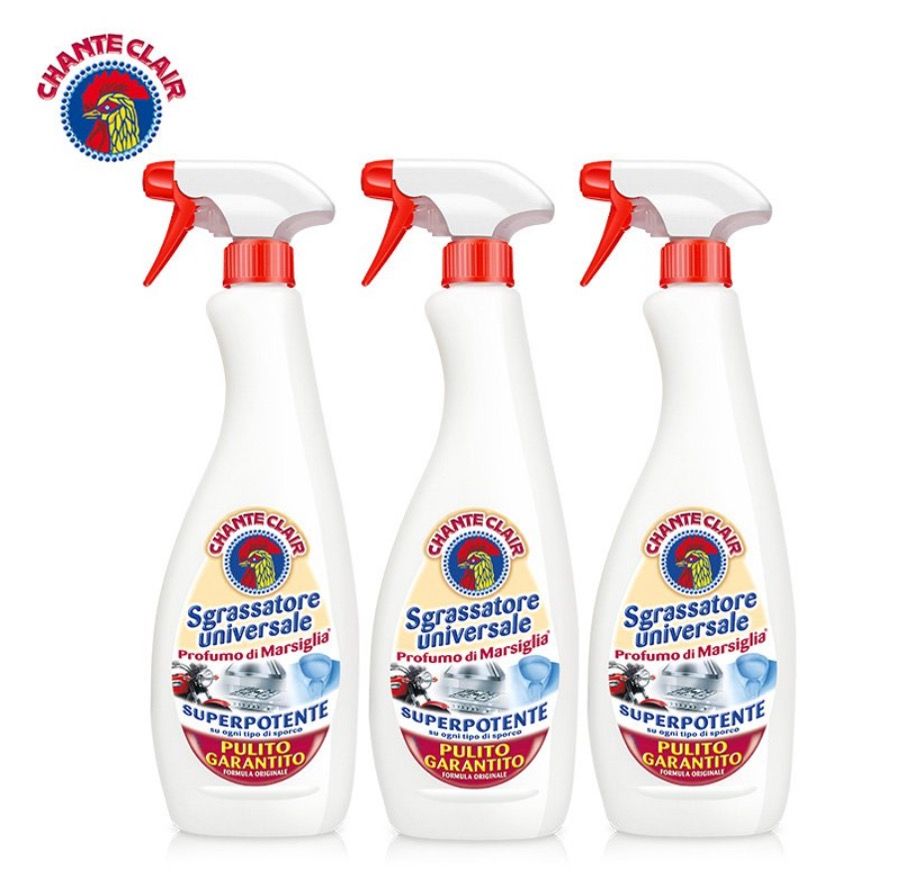
As global consumer brands deepen their presence in China, the fight against counterfeiting has evolved into a core part of market strategy and consumer protection. CHANTECLAIR, known domestically as 大公鸡管家 (Dà Gōngjī Guǎnjiā), offers a compelling example of how a foreign brand can establish a comprehensive, long-term enforcement model that not only safeguards its intellectual property but also contributes to a healthier and safer marketplace.
Over the past two years, the brand has shifted from symbolic enforcement actions to a systematic, multi-layered program involving criminal investigations, administrative enforcement, traceability technologies, and active cooperation with Chinese authorities. The results highlight both the brand’s determination and the increasing strength of China’s enforcement ecosystem.
A Coordinated Approach: Criminal and Administrative Enforcement
One of the most significant components of CHANTECLAIR’s strategy is its focus on dismantling counterfeit operations at their source. In March 2025, police in Shanxi uncovered a family-operated manufacturing site linked to several online retailers. The operation resulted in the seizure of more than 71,000 counterfeit items, together with packaging materials and production equipment. Authorities have since opened a criminal case, underscoring the seriousness with which China treats trademark counterfeiting linked to unsafe consumer goods.
This criminal action was complemented by a series of administrative enforcement measures throughout 2025. Market Supervision Bureaus across multiple provinces intervened against retailers producing or selling counterfeit CHANTECLAIR products, confiscating thousands of fake goods and seizing significant illegal profits. These actions were formalized in official enforcement documents, providing transparency and legal certainty, an increasingly important element for foreign rights holders navigating China’s IP landscape.
Counterfeit Cleaning Products: A Direct Public Safety Concern
Counterfeit household cleaning products present risks that extend far beyond the brand itself. Unlike fake luxury goods, imitation detergents or cleaning sprays may contain uncontrolled chemical formulations that can cause skin irritation, damage clothing or household surfaces, or fail to disinfect effectively.
By targeting both manufacturing sources and downstream sellers, CHANTECLAIR is not merely protecting its brand reputation. It is actively preventing unsafe products from entering households and ensuring that consumers receive the quality and safety they expect.
Digital Traceability: Building Consumer Trust with One-Product-One-Code
To further strengthen consumer confidence, CHANTECLAIR has introduced a digital traceability system based on the “one item, one code” model. Each genuine product now carries a unique QR code that enables immediate authentication and access to traceability information.
This initiative enhances supply chain transparency, helps consumers identify legitimate distribution channels, and makes it significantly harder for counterfeiters to exploit packaging similarities. In China’s fast-paced e-commerce environment, such technologies have become essential tools in modern brand protection.
Long-Term Collaboration: The Power of Multi-Agency Partnerships
CHANTECLAIR’s enforcement successes are closely tied to its ongoing cooperation with local police forces, Market Supervision authorities, judicial bodies, and e-commerce compliance teams. These partnerships allow investigations to move quickly from evidence collection to case registration, ensuring that actions target not only sellers but also upstream manufacturers and distributors.
Full-chain enforcement (from production to distribution to online sales) has proven to be one of the most effective deterrents. China’s enforcement agencies increasingly welcome proactive participation from rights holders, and CHANTECLAIR’s experience demonstrates how coordinated efforts can greatly enhance enforcement efficiency.
Why This Strategy Matters for Brands, Consumers, and the Market
For international and domestic brands, CHANTECLAIR’s experience illustrates the importance of investing in continuous, evidence-based enforcement. Preventing counterfeit sales is not simply a matter of securing IP rights; it helps protect product integrity, reinforces consumer trust, and strengthens a brand’s long-term competitive position in China.
For consumers, the benefits are direct and tangible. Effective enforcement means reduced exposure to harmful or ineffective products and greater assurance that the items they purchase are both safe and authentic.
For the broader market environment, the suppression of counterfeit activity removes distortions in pricing and competition, supports the growth of compliant e-commerce platforms, and encourages sustained investment by reputable brands.
Conclusion: Brand Protection as a Long-Term Commitment
CHANTECLAIR’s enforcement model demonstrates the realities of modern brand protection in China: sustained effort, coordinated action, and technology-driven solutions. Counterfeiting is no longer viewed solely as a legal issue; it is understood as a consumer safety challenge and a matter of market fairness.
Through consistent collaboration with authorities and a zero-tolerance approach at every stage of the supply chain, CHANTECLAIR is setting a strong standard for international brands. Those who choose to invest early and proactively in their IP protection strategies will be best positioned to build consumer trust, reinforce brand value, and secure long-term success in China’s dynamic marketplace.