
By Antonio Lovecchio
After nearly half a century of trademark complexity and marketplace "double-vision," Ralph Lauren Corporation has officially acquired the South African Polo brand from the LA Group. This landmark deal concludes one of the most peculiar coexistence stories in the history of global fashion branding.
A Tale of Two Ponies
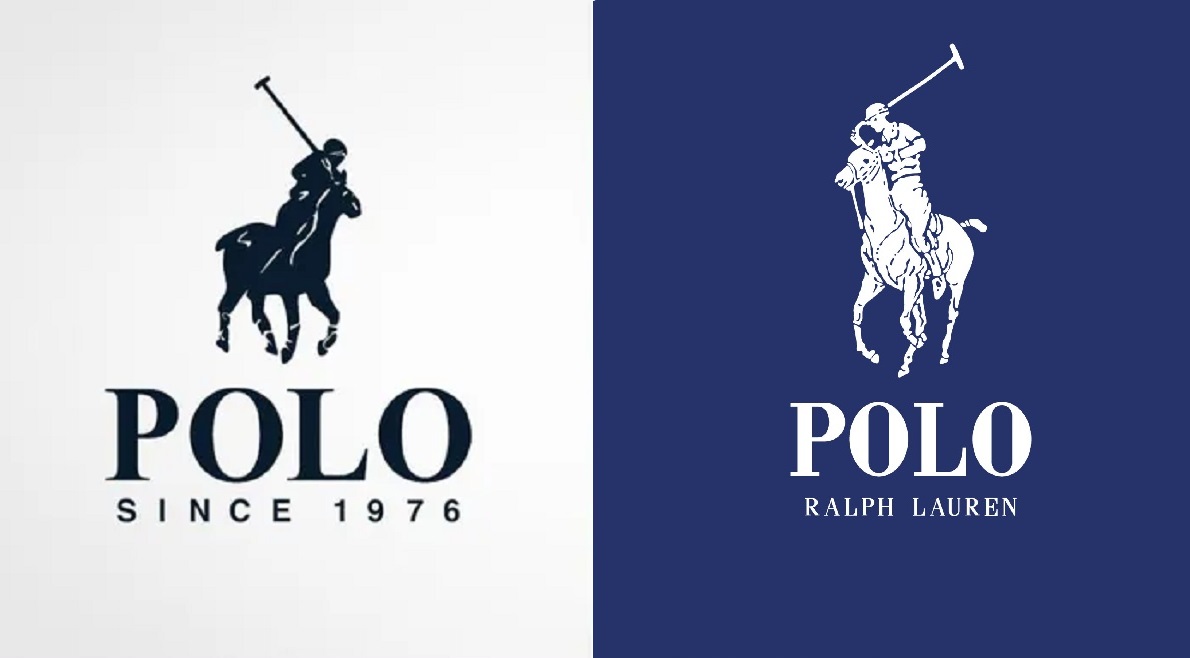
The roots of this branding schism date back to the 1970s. While Ralph Lauren introduced his iconic mounted horse logo in 1967, the South African-based LA Group successfully registered the "Polo" trademark locally in 1976, complete with a strikingly similar emblem.
Due to the era's South African trademark laws, which heavily favored local registrants, Ralph Lauren was unable to reclaim the rights. The result was a decades-long branding anomaly:
- Polo South Africa (LA Group): A logo featuring a polo player facing one direction.
- Polo by Ralph Lauren: The global icon, with the player facing the opposite direction.
For generations, South African consumers navigated a retail landscape where two entirely separate entities sold "Polo" apparel. The primary visual distinction – the orientation of the horse – was a nuance that eluded most casual shoppers, leading to significant marketplace ambiguity.
Legal Hurdles and Market Clarity
The path to unification was not a straight line. The South African market became a complex web of intellectual property disputes involving not only these two players but also the U.S. Polo Association (USPA).
The deadlock finally broke in late 2025. The Competition Commission of South Africa approved Ralph Lauren’s acquisition of the local brand, bringing the trademarks under a single global umbrella. To ensure a smooth transition, the Commission included social safeguards, specifically preventing the retrenchment of permanent staff involved in the local Polo business.
The IP Playbook: Four Key Lessons
For intellectual property professionals and brand strategists, the "Polo Saga" offers a masterclass in global brand management:
1. The Power of Territorial Rights: Global brands must secure registrations in key jurisdictions before entry. Gaps in local protection are often filled by agile local competitors.
2. The Threshold of Confusion: This case highlights that similarity is about how marks function as "indicators of origin." When two logos are mirrors of each other, "distinctiveness" becomes a legal tightrope.
3. Acquisition as a Final Remedy: While coexistence agreements can offer a temporary truce, they often perpetuate consumer confusion. When legal avenues stagnate, strategic consolidation is often the only way to achieve definitive clarity.
4. The Regulatory Lens: Trademark outcomes are increasingly influenced by public interest. Here, the merger wasn't just about brand rights; it was balanced against employment stability and regional competition.
Global Context: The Challenge in China
The South African case mirrors a wider global struggle for Ralph Lauren, most notably in China. While South Africa’s issue was a relic of 1970s territoriality, China represents the modern "First-to-File" challenge.
In China, the first person to register a trademark generally owns it, regardless of who used it first globally. This has historically invited "trademark squatting," forcing Ralph Lauren into long-term litigation.
Recently, however, Ralph Lauren secured a major victory in the Shanghai Intellectual Property Court against companies using marks like "Polo Sport" and "Polo Gear." The court awarded damages of approximately 20 million RMB ($2.74 million): a significant sum that signals China’s evolving commitment to protecting high-profile foreign brands from bad-faith registrations.
Conclusion: A Unified Future
From the "dual-pony" logos that baffled shoppers to a unified identity under a single global house, the South African Polo story is a vivid reminder of how law and commerce intersect. By finally acquiring the local rights, Ralph Lauren has not only resolved a 50-year legal headache but has also "righted" the horse, ensuring that the brand speaks with a single, global voice.
For IP practitioners, the lesson remains clear: in the race for brand dominance, the first to the registry, or the one with the most persistent legal strategy, eventually wins the field.