
by Fredrick Xie
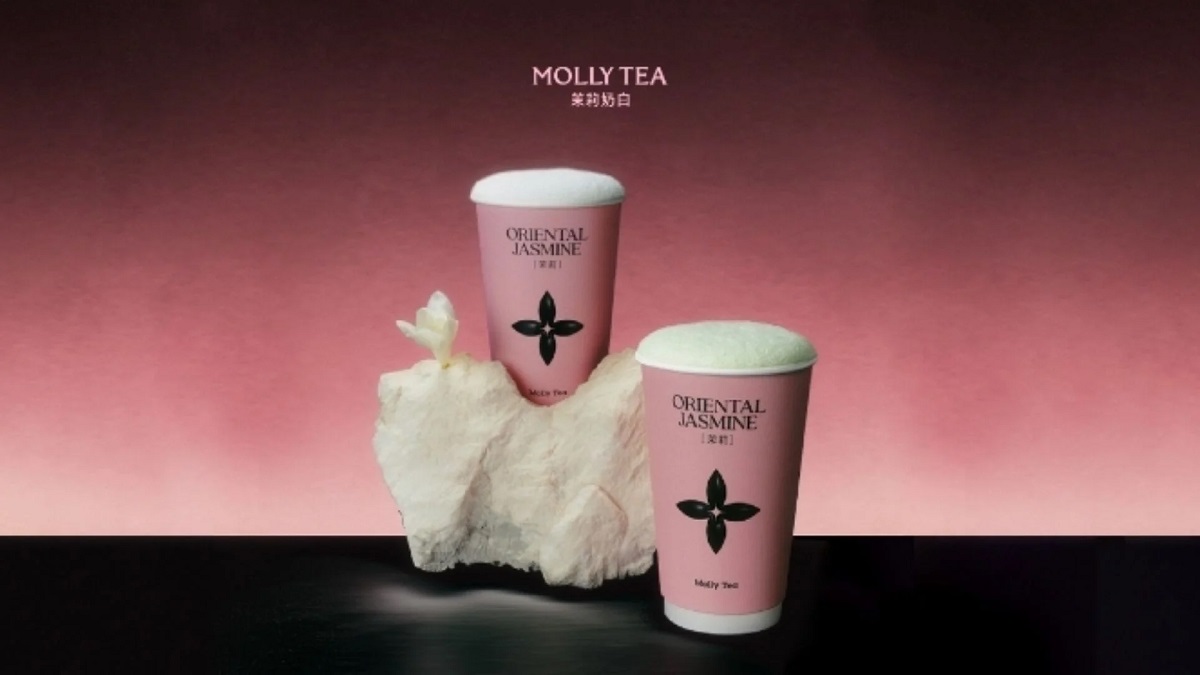
The LV v. Molly Tea dispute has unexpectedly made trademark law a public topic in China. Together with the discussion around 7-Eleven v. Nike and the online meme comparing Zhejiang University’s “求是鹰” (Qiushi Eagle / Truth Seeking Eagle) with Armani’s eagle logo, many people are now asking a similar question: can a brand really own a flower, a color combination, or an eagle?
The short answer is no. LV does not own all flowers. 7-Eleven does not own all combinations of orange, green, and red. Armani does not own all eagle designs.
1. Historical similarity is relevant, but not decisive
In the current online discussion, many commentators have tried to locate similar flowers, patterns, colors, or animal symbols in Chinese history. This instinct is understandable. Historical and cultural materials can sometimes be relevant. They may help show that a disputed element is common, decorative, weak, or part of the public visual vocabulary.
But historical similarity alone should not end the legal analysis. Trademark law is not a museum-origin test. It does not decide infringement simply by asking whether a similar shape once appeared somewhere in history. It asks more practical questions: what is the registered mark, what is the accused sign, how are they used in commerce, on what goods or services, how distinctive is the mark, and what relevant consumers are likely to think when they see it.
2. It is not fair to blame a brand simply because the rights holder is non-Chinese
The recent debate should not become a reflexive criticism of non-Chinese brand owners.
This is the same trademark system that protects Chinese brands when they are copied. Chinese companies also rely on registered trademarks, market reputation, acquired distinctiveness, and enforcement against confusingly similar signs. We cannot ask the legal system to protect Chinese brands when they are victims, but treat non-Chinese brands as unreasonable whenever they enforce a registered right involving a simple visual element.
3. If the public-domain argument is serious, it should be made through proper legal procedure
If a company believes that the asserted trademark is invalid, too broad, or lacks distinctiveness, there are legal tools to deal with that. It can challenge the trademark before CNIPA, submit historical materials, evidence of common decorative use, prior design references, and argue that the relevant element belongs to the public domain or should receive only a narrow scope of protection.
If necessary, the issue can further be brought before a Chinese court.
That would be a meaningful legal challenge.
4. Chinese consumer brands need legal readiness before the dispute begins
Molly Tea has reportedly started recruiting legal counsel recently.
If this is accurate, it proves the point: a consumer brand cannot wait until it is sued by LV to discover that brand identity is a legal asset, not just a design asset. Serious brands need to clear their logos before nationwide launch, assess legal risk before turning a design into a franchise identity, file defensive trademarks, preserve use evidence, monitor competitors, and challenge questionable rights through CNIPA when necessary.
This is how serious brands protect themselves.
5. The real issue is balance, not nationality
Of course, famous brands should not be allowed to privatize common cultural symbols, traditional patterns, or ordinary decorative language. The broader and simpler the claimed element is, the more cautious courts and authorities should be. Trademark law should protect commercial meaning, not historical ownership. It should protect distinctiveness, not give anyone ownership over the public visual vocabulary.
But that principle applies to everyone: Chinese brands and non-Chinese brands alike.
A flower is not always a trademark. But once a flower has acquired strong commercial meaning, it is no longer just a flower either.
The problem is not that non-Chinese brands are enforcing trademarks in China. The problem is that too many companies only start treating trademark strategy seriously after they are sued.