

On December 23, 2024, the Beijing Haidian Court ruled in favor of Michael Kors in a case involving trademark infringement and unfair competition. The Court awarded Michael Kors 5 million RMB in damages and reasonable expenses.
The judgment, which is final, highlighted the plaintiff’s “MK” trademark's high reputation and the legal protections it enjoys, and sends a powerful message about China's strengthening attitude on trademark protection and unfair competition.
The Case
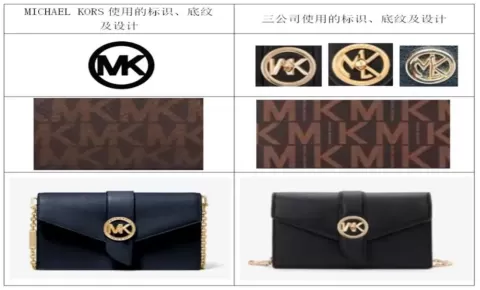
Michael Kors started a lawsuit against 3 defendants: a leather goods company, a trading company, and a brand management company.
The first 2 defendants argued that their trademarks "MKO" and "MAITANE KALOS" were legally registered and used, claiming no subjective fault or objective infringement. They also contested the compensation amount, stating that Michael Kors failed to provide sufficient evidence of economic losses.
The brand management company further argued that it merely operated a Taobao store and sold products legally obtained from the other defendants.
The Court found that the defendants' trademarks and product decorations were highly similar to Michael Kors' trademark and bag designs, creating confusion among the public and violating trademark law and the Anti-Unfair Competition Law. The evidence also revealed that the three defendants were closely affiliated, collaborated on infringing activities, and thus bore joint liability.
Why This Case Matters
This case exemplifies the challenges faced by international brands in protecting their intellectual property in a highly competitive global market. It underscores the importance of enforcing trademark rights to prevent consumer confusion, discourage malicious registration of trademarks, and limit "copycat" practices that exploit the reputation of well-known brands.
The Court’s decision reinforces that protecting trademarks and combating unfair competition fosters a fair business environment, encourages innovation, and safeguards investments in brand development.
This ruling is also particularly significant because it addresses multiple aspects of brand protection. The Court tackled not just trademark infringement of the MK mark, but also the broader issue of unfair competition through copycat decorative elements. The Court's comprehensive approach shows a sophisticated understanding of how modern brand value is built and needs to be protected.
1. Corporate structure won't protect infringers. The Court pierced through complex corporate relationships, holding all three defendants jointly liable. Even the retail-focused brand management company couldn't hide behind its role as "merely a seller": the Court recognized that affiliated companies with close business ties share responsibility for infringement.
2. Invalid registrations aren't a defense. The defendants' argument that they held registered trademarks ("MKO" and "MAITANE KALOS") proved ineffective. This reinforces that obtaining a similar trademark registration doesn't provide immunity from infringement claims, especially against well-known marks.
3. Holistic brand protection. The Court recognized that brand protection extends beyond registered trademarks to include distinctive decorative elements that consumers associate with the brand. This comprehensive view of IP rights offers stronger protection for brands that have invested in building distinctive visual identities.
4. Strong damages signal. The 5 million RMB award signals that Chinese courts are willing to impose meaningful penalties for IP infringement, particularly when dealing with well-known international brands that have invested significantly in the market.
Key Takeaways
1. Strengthening Trademark Protections: High-reputation trademarks, like Michael Kors' “MK,” require robust legal defense to prevent dilution and exploitation by competitors.
2. Addressing Unfair Competition: Misleading product designs and unauthorized trademark use not only harm brand owners but also mislead consumers.
3. Joint Liability: Affiliated entities collaborating in infringing activities can be held jointly liable, emphasizing the need for vigilance across business partnerships.
4. Role of Courts: Clear and decisive rulings, such as this one, highlight China’s commitment to upholding intellectual property laws and protecting the rights of both domestic and foreign companies.
By setting a strong precedent, this case encourages ethical business practices. Furthermore, it serves as both a warning to potential infringers and a reassurance to international brands about China's commitment to IP protection.
For legal practitioners and brands operating in China, it underscores the importance of comprehensive IP protection strategies that go beyond mere trademark registration.