
by Fredrick Xie
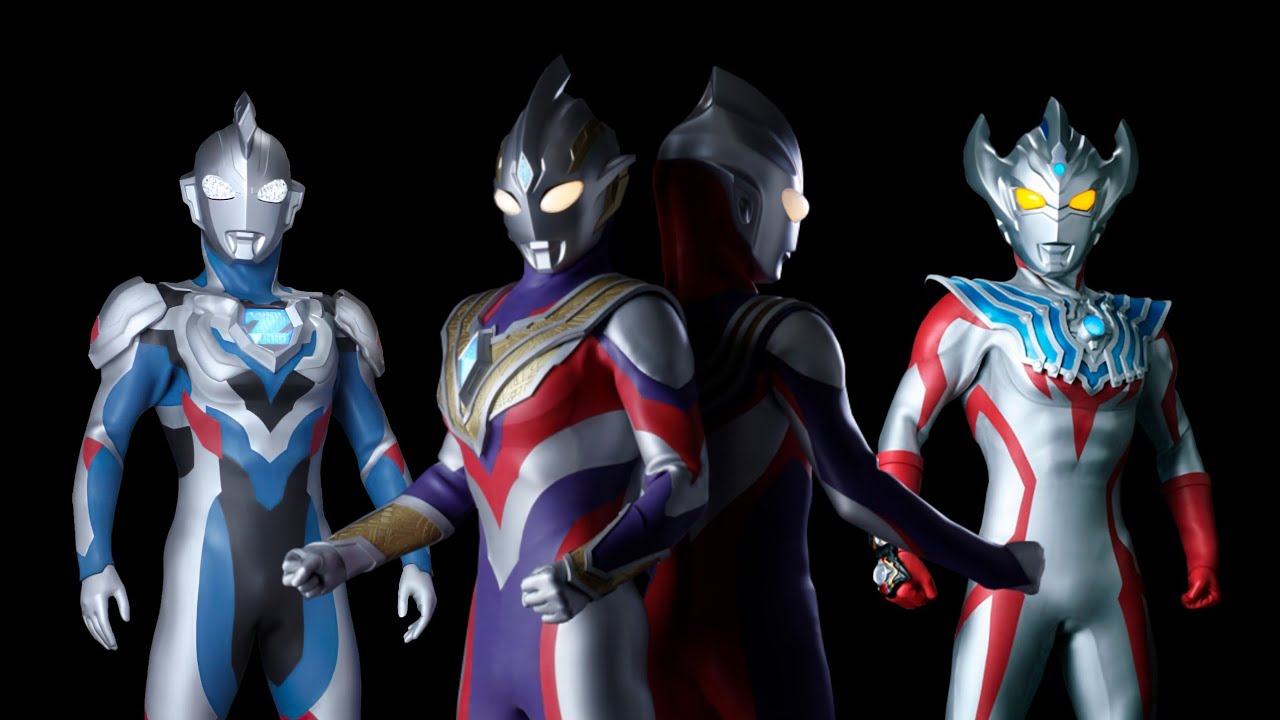
The rapid advancement of generative AI has introduced both opportunities and legal complexities in the field of intellectual property (IP). Hangzhou City Intermediate People’s Court, in a recent decision, maintained the 1st instance decision made by Hangzhou City Internet Court, ruling that an GAI platform, by making available the generating of Ultraman related images, constitute copyright infringement and ruled for a damage for RMB 300,000 (around 41,000 USD).
This decision highlights the growing challenges in defining liability for AI-generated content, particularly when it involves well-known characters like Ultraman. The case provides valuable insights into the responsibilities of AI platform providers, the application of copyright laws, and the evolving legal landscape surrounding AI-generated works.
Interestingly, this is already the second time Ultraman plays plaintiff against GAI (Read more about the first fight here)
Case Background
The plaintiff, holding the intellectual property rights to the Ultraman character series, filed a lawsuit against an AI platform that enables users to generate images using base models and LoRA (Low-Rank Adaptation) fine-tuning.
The platform allowed users to upload Ultraman-related images and train AI models, which were then made available for others to use. As a result, users could generate images that closely resembled Ultraman’s likeness.
The plaintiff claimed that the AI platform:
1. Shall cease the below infringing activity, including:
a) Stop providing training and publishing services for Ultraman related models;
b) Deleting all materials and relevant data related to Ultraman such as existing Ultraman training models and images
c) Block the unauthorized use of Ultraman and related keywords on the whole platform
2. Assume damage for RMB 300,000.
To be clear, the Defendant here is an AI platform that provides function for generating images with the materials provided by users. The users can try to generate Ultraman images via below methods:
1. The users can upload Ultraman images and choose a foundation model to create a LoRA model that is used to generate Ultraman-alike images;
2. The users can choose to adopt a specific foundation model + a LoRA model that is used to generate Ultraman-alike images, then generate Ultraman-alike images by inputting prompt words;
3. The users can also generate Ultraman-alike images by uploading Ultraman images and inputting prompts words using the foundation models directly.
4. The platform itself, without Ultraman related images / LoRA models, cannot generate Ultraman related images with the prompts words only.
The defendant countered that the platform merely provided the technical framework for users to generate content and did not itself supply training data. They claimed protection under “safe harbor” provisions, arguing they were not directly responsible for users’ actions.
Key Legal Issues and Rulings
1. Direct vs. Indirect Infringement
The court differentiated between direct copyright infringement and secondary (or indirect) infringement. While the AI platform did not directly create or distribute infringing content, it facilitated users in doing so. The court found that the platform had knowledge of the infringement and failed to take adequate preventive measures, constituting “assistance in infringement”.
2. Duty of AI Platforms to Monitor Content
The ruling emphasized that AI platforms must exercise due diligence, particularly when dealing with well-known copyrighted works. Since the platform actively profited from user-generated content through membership fees and incentives for uploading LoRA models, it bore a heightened responsibility to monitor and prevent IP violations.
Specifically, the court raised several elements in assessing whether the platform shall be held liable:
a. The nature of the AIGC service provided by the platform
b. The fame of the copyrighted works and the obviousness of the infringement
c. Possible consequences that may be caused by the AI
d. Business model of the platform
e. Whether there is reasonable measures to prevent the infringement.
3. Balancing Innovation and Compliance
The judgment acknowledged that they should adopt a prudent and inclusive attitude towards GAI and encourage technological progress and commercial development. The court sought to balance technological development with IP protection by clarifying the boundaries for using the copyrighted works during the training of GAI.
The court reasoned that the usage of copyrighted works during the training of GAI is not for the purpose of reproducing the original elements in the works, and only temporarily maintain the works when analyzing the structural characteristics of corporal data. In this sense, when the GAI is not meant to use the original element of the copyrighted works, nor is it affecting the normal usage or unreasonably harming the legitimate rights of the copyright owner, the usage of copyrighted work during the training of GAI can be considered fair use.
4. Liability for the Platform
The court put forth their understanding on a reasonable liability for the platform. While exempting the platform from conduct censorship and auditing each piece of data from the end user, the court ruled that GAI platforms can perform timely identification and removal of potentially infringing content through necessary measures such as setting reasonable terms of use, user guidelines and effective monitoring mechanisms to prevent the generation and dissemination of illegal content.
Implications for AI and IP Law
This case sets a critical precedent for AI platforms operating in China. We wish to make several highlights below:
Due Diligence Obligations: AI service providers shall implement reasonable mechanisms to prevent the generation and distribution of illegal content.
Liability for Facilitating Infringement: Platforms profiting from AI-generated content must ensure they do not enable widespread copyright violations.
Fair Use and Training Data: The case support an argument that the usage of copyrighted works during training of AI constitutes fair use under Chinese copyright law. It seemed to be a different conclusion from a recent ruling from Thompson Reuters v. Ross Intelligence, where United States District Court in Delaware ruled that the usage of copyrighted material during the training of an AI system is not fair use, despite in that case the AI system at issue is a non-generative AI.
Conclusion
The intersection of AI and intellectual property law is still evolving, and this case highlights the pressing need for clearer legal standards in the field. While AI offers powerful creative capabilities, it also introduces new risks that companies and platform providers must proactively address.
Courts will continue to play a crucial role in shaping AI governance, and business operators shall monitor closely the evolvement of court opinions, so that they can adopt proactive compliance measures, such as content monitoring, IP licensing, and platform governance, to mitigate legal risks. As regulatory frameworks continue to develop, ensuring alignment with copyright and competition laws will be key to fostering AI innovation.