
By Linna Song
In China, design patents and trademarks protect different aspects of commercial innovation. Design patents safeguard the visual appearance of a product, while trademarks protect signs that identify the source of goods or services.
In some industries, particularly footwear and fashion, the same visual element may serve both decorative and branding functions.
In Case No. (2024) Zui Gao Fa Zhi Xing Zhong No. 860, the Intellectual Property Tribunal of the Supreme People's Court of the People's Republic of China clarified how these overlapping rights should be assessed.
This decision is particularly relevant for businesses that rely on product design as part of their brand identity.
The Legal Framework
Article 23(3) of China's Patent Law provides that a granted design patent must not conflict with rights lawfully obtained by others before the filing date of the patent application. These prior rights include registered trademarks, copyrights, trade names, portrait rights, geographical indications, and trade dress.
The purpose of this rule is not merely to avoid formal overlap between rights. Rather, it is to prevent the grant of a design patent whose commercial exploitation would infringe an earlier intellectual property right. If the use of a patented design would interfere with the source-identifying function of another company's trademark, the patent should not remain valid.
The Dispute
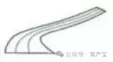
The case involved a design patent for a track shoe (Model 2012-6) filed by Company Duoin 2012. On the side of the shoe, the patent featured a three-stripe curved graphic placed in the same location where consumers commonly expect to see footwear branding.
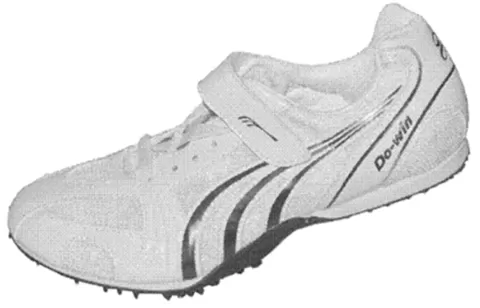
Perspective view of the patent-in-suit (Source: CNIPA)
PUMA SE filed an invalidation request with the China National Intellectual Property Administration (CNIPA), arguing that the disputed design is highly similar to its three prior registered trademarks
No. G581191
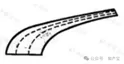
No. G426712
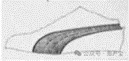
and No. G925647
the well-known Formstrip trademarks. This similarity could easily mislead consumers into believing that the products in question are authorized by, affiliated with, or otherwise commercially connected to Puma.
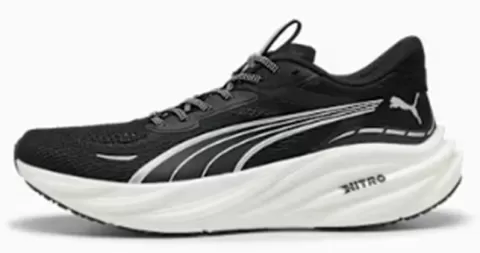
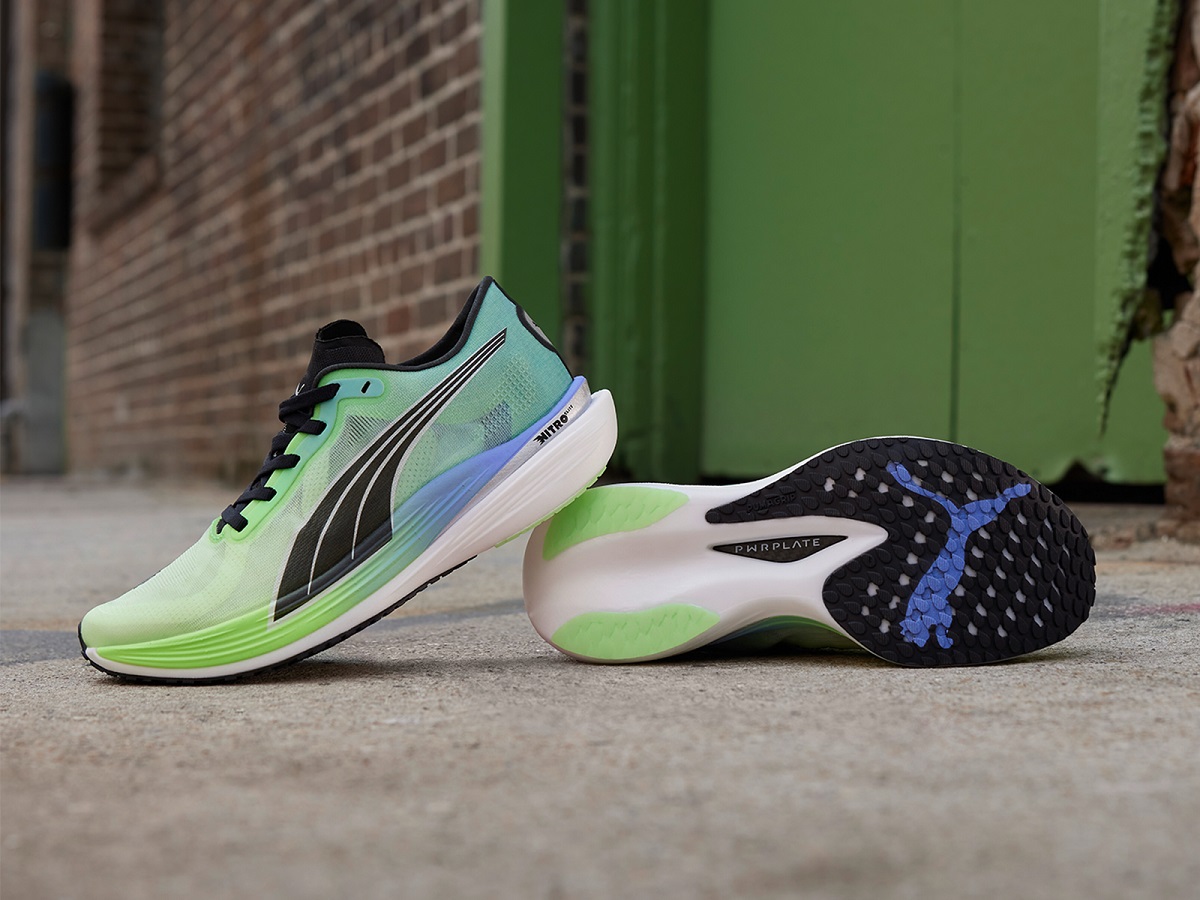
The products of PUMA (source: official website)
CNIPA and the first-instance court upheld the patent, relying in part on the patent owner's own registered trademark and its word mark "DO-WIN" are not easily recognized by consumers as a unique identifier of origin, therefore the contested decision is upheld.
The Supreme People's Court
The Supreme People's Court ruled in the second instance that the use of the disputed pattern constituted trademark use. Although it was similar to Duo Company's trademark, its design features were closer to Biao European Company's prior trademark, altering the distinctive characteristics of Duo Company's trademark.
Why Trademark Infringement Principles Apply
The Court emphasized that the relevant question is whether implementation of the design patent would amount to trademark infringement. To answer this, authorities must examine four issues:
whether the disputed feature constitutes trademark use,
whether the goods are identical or similar,
whether the trademarks are similar, and
whether consumers are likely to be confused.
This approach reflects the essential function of trademark law, which protects the ability of consumers to identify the commercial source of goods.
Trademark Use in Product Design
A key issue was whether the side graphic was merely ornamental or was used as a source identifier.
The Court concluded that the disputed patent design is prominently and extensively positioned on the side of the shoe, which is a common practice in the industry. The fact that Duo Company has applied for multiple similar trademarks and design patents indicates its intention to use the disputed design as an identifier of the product's origin. Therefore, the use of the disputed design in this patent constitutes trademark use.
Similarity and Likelihood of Confusion
The patented product, a track shoe, was identical to the goods covered by PUMA's earlier trademark registrations.
Since 1958, PUMA SE has been using the runway logo, and the related trademark was registered in China in 1976. Through continuous use and extensive promotion across multiple channels, it has gained significant recognition in the field of sports shoes by the filing date of this patent application.
Even if the brand logo is also used on the patented product in question, it is not sufficient to eliminate the likelihood of confusion.
The Significance of the Decision
The judgment confirms that a design patent does not authorize the use of product features that infringe earlier trademark rights. Nor does ownership of a related trademark registration guarantee that all design variations are lawful.
For companies in footwear, fashion, luxury goods, and other design-driven sectors, the case highlights the need to assess trademark risks before filing design patents. Product design and brand strategy must be evaluated together.